How to Interpret a Dream

We write about shadow work, Jungian psychology, and self-discovery.
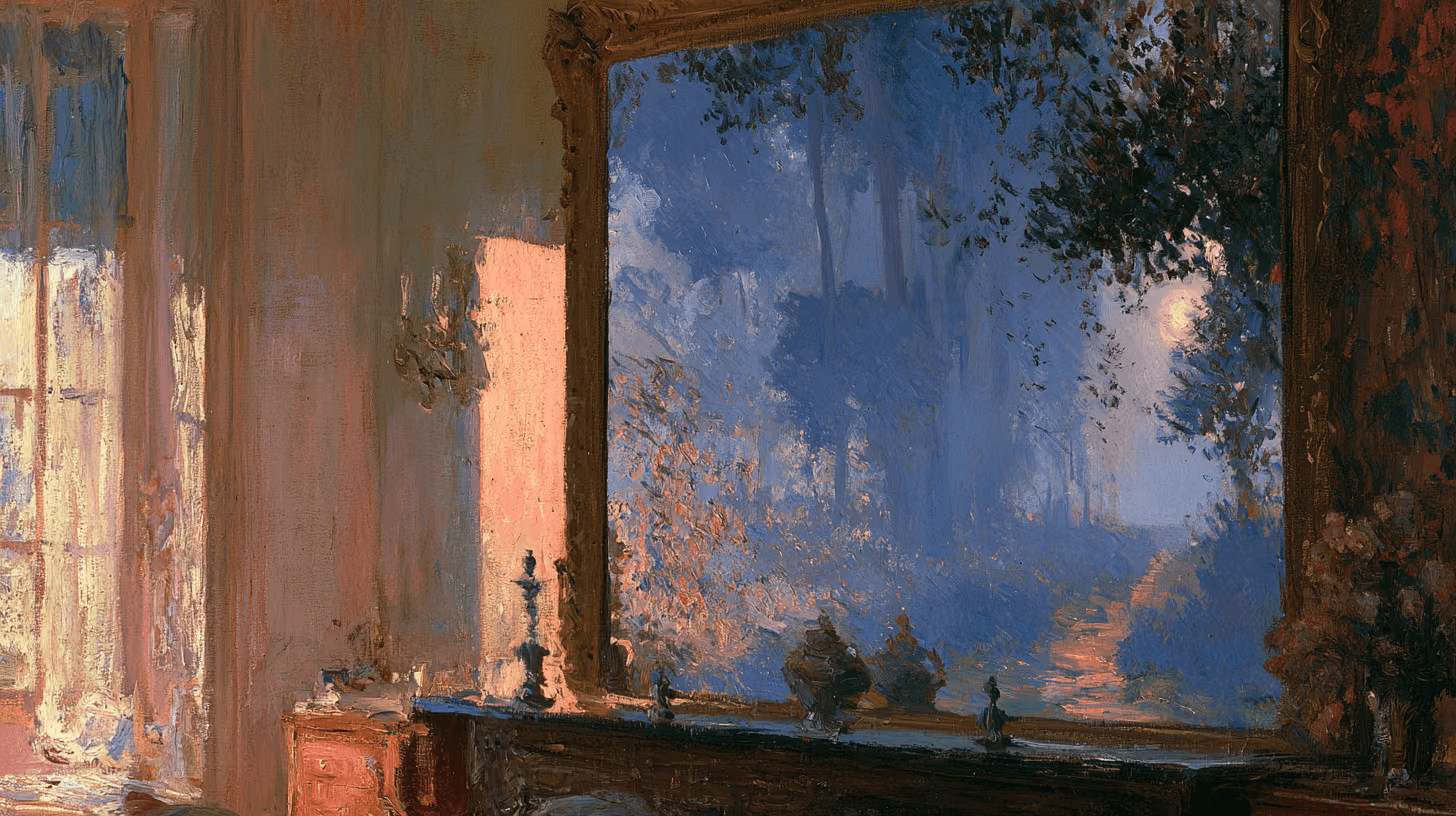
Reading a dream takes patience more than expertise. Here is how Jung's approach works, from writing the dream down to the moment its meaning lands.
Waking With a Question
Some dreams stay with you after you wake. Something in them felt important, even if you can't say what. Jung believed that feeling was worth trusting. To him, every dream carried a message meant for the dreamer, written in images instead of words.
Reading those images takes patience more than expertise, and it begins with the step most people skip. Write the dream down before the day washes it away.
Your Images, Your Meaning
Once the dream is on paper, stay with the images that stand out and ask what each one means to you. A dog in a dream can feel comforting to someone who grew up with one and frightening to someone who was bitten as a child.
That's why dream dictionaries rarely help. Your own memories and feelings are the real key, and often a single connection is enough to open the dream up.
The People in Your Dreams
As the images start to make sense, look at who appears in the dream. Jung suggested that most dream figures are parts of the dreamer, even when they look like people you know.
Someone who irritates you in a dream may be carrying a trait you'd rather not see in yourself, what Jung called the shadow. Asking which part of you a figure might be often reveals more than asking about the person.
How the Dream Felt
Then step back and take in the dream as a whole. Notice how it unfolded and, above all, how it made you feel. Fear often marks something you're resisting, while a sense of calm can mean something inside is settling into place.
Pay attention to how it ended, too. Even an unfinished ending shows where things stand for you right now.
When a Dream Feels Ancient
Every so often, a dream feels bigger than your own life, as if it came from somewhere much older. Jung believed these dreams draw on images people have dreamed for thousands of years, the same ones found in myths and fairy tales.
With a dream like this, old stories can help. Seeing how a myth tells a similar tale can make it clearer what the dream is asking of you.
The Moment It Clicks
In the end, only you can tell when you've understood a dream. The right meaning tends to land with a jolt of recognition, the feeling of something falling into place.
If that moment doesn't come right away, keep the dream close and let it sit. Its meaning often surfaces days later, on its own time.
"Who looks outside, dreams; who looks inside, awakes." — C.G. Jung
FAQ
- How do you interpret a dream the Jungian way?
- Write the dream down as soon as you wake, then stay with the images that stand out and ask what each one means to you. Look at who appears in the dream, notice how it felt and how it ended, and wait for the sense of recognition that tells you the meaning has landed.
- Do dream dictionaries work?
- Rarely. The same image can mean different things to different people, so your own memories and feelings about it are the real key. A dog may be comforting to someone who grew up with one and frightening to someone who was bitten.
- Who are the people in my dreams?
- Jung suggested that most dream figures are parts of the dreamer, even when they look like people you know. Someone who irritates you in a dream may carry a trait you would rather not see in yourself, which Jung called the shadow.
Related
What Your Dreams Are Trying to Tell You
Dreams7 min readWhat Is Shadow Work?
Shadow Work8 min readThe Four Reasons We Repress Parts of Ourselves
Shadow Work3 min read