The Psychology of Fairy Tales

We write about shadow work, Jungian psychology, and self-discovery.
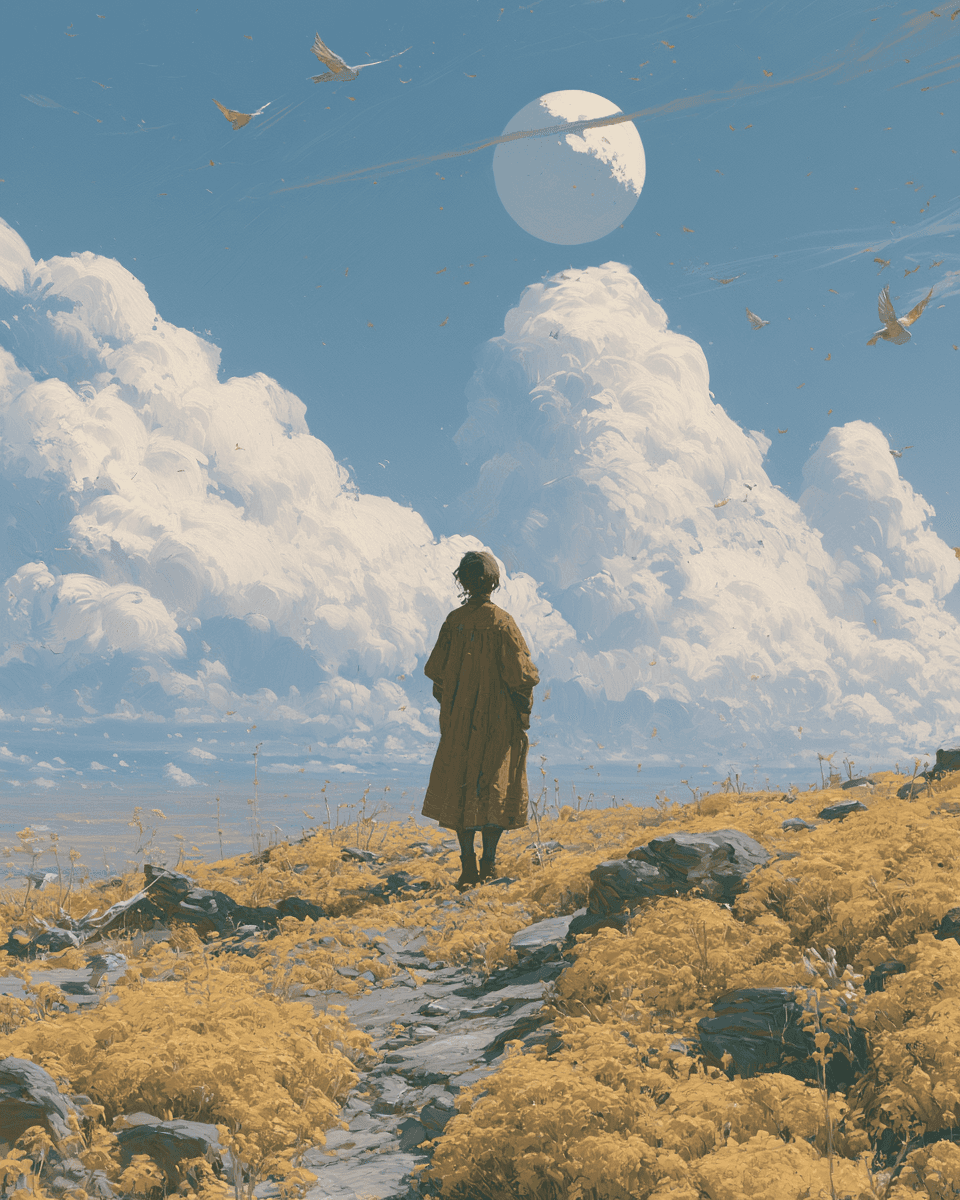
Fairy tales and myths are more than entertainment for children. Jung believed they contain so much about the human condition that studying them is like studying the anatomy of man.
Fairy tales and myths have been told across every culture and every era of human history. They aren’t just entertainment for children.
Jung believed they contain so much about the human condition that he once told his colleague Marie-Louise von Franz: "When you study fairy tales you can study the anatomy of man."
Von Franz spent decades interpreting fairy tales from around the world. What she found was surprising: for almost every lesson a fairy tale teaches, another fairy tale teaches the opposite.
The Rule of Contradiction
Some stories say that when you meet evil, you must fight it. Others say you should run. Some say to suffer without hitting back, while others say to hit back. Some say the only way out is to lie, while others say to be honest, even toward the Devil.
Von Franz called this the rule of contradiction, and at first, it disappointed her. She had hoped to find lessons that were timeless and indisputable.
Room for Choice
But she came to see that the contradiction is the entire point. If the collective wisdom of humanity weren’t contradictory, there would be no room for individual human choice.
It is precisely in choosing our own way between opposing paths that we step out of the crowd and become who we truly are.
"If collective material is completely contradictory, only then is it possible for us to have an individual, responsible, free conscious superstructure over the basic opposites." — Marie-Louise von Franz
The Call to the Woods
However, von Franz noted that as we grow up, the world of imagination is shunned by our peers. We are led to follow a linear, predictable path of study, work, and social obligation.
Overly one-sided mechanical living strips life of its childhood magic and creativity, leading to a midlife vacuum where we may seek distraction. When outer scripts fail, the psyche issues a call to adventure, forcing us into the unknown to find meaning.
Entering the Dark Forest
This journey requires entering the deep, dark forest of our unknown shadow elements.
Though we initially wish to avoid this dangerous and terrifying realm, it ultimately forces us to discover hidden parts of ourselves and find the "treasure hard to attain."
The Hundred-Thousand-Year-Old Self
Jung had a name for this integration of the unconscious: individuation.
Because the enchanted fairy tale realm reflects the collective unconscious, these timeless patterns anchor our waking struggles and guide us toward psychic totality.
"Some day you will be old enough to start reading fairy tales again." — C.S. Lewis
FAQ
- What is the hidden meaning of fairy tales?
- Jung believed fairy tales contain so much about the human condition that he told Marie-Louise von Franz: "When you study fairy tales you can study the anatomy of man." The enchanted fairy tale realm reflects the collective unconscious, and its timeless patterns anchor our waking struggles and guide us toward psychic totality.
- What does the dark forest mean in fairy tales?
- The deep, dark forest represents our unknown shadow elements. Though we initially wish to avoid this dangerous and terrifying realm, entering it forces us to discover hidden parts of ourselves and find the "treasure hard to attain."
- What is individuation?
- Individuation is Jung’s name for the integration of the unconscious. It requires entering the dark forest of our unknown shadow elements, where we discover hidden parts of ourselves.
Related
The Story of Cat Bayun
Stories6 min readWhat Is Shadow Work?
Shadow Work8 min readThe Four Reasons We Repress Parts of Ourselves
Shadow Work3 min read