Alchemy and Jung: Turning Lead Into Gold

We write about shadow work, Jungian psychology, and self-discovery.
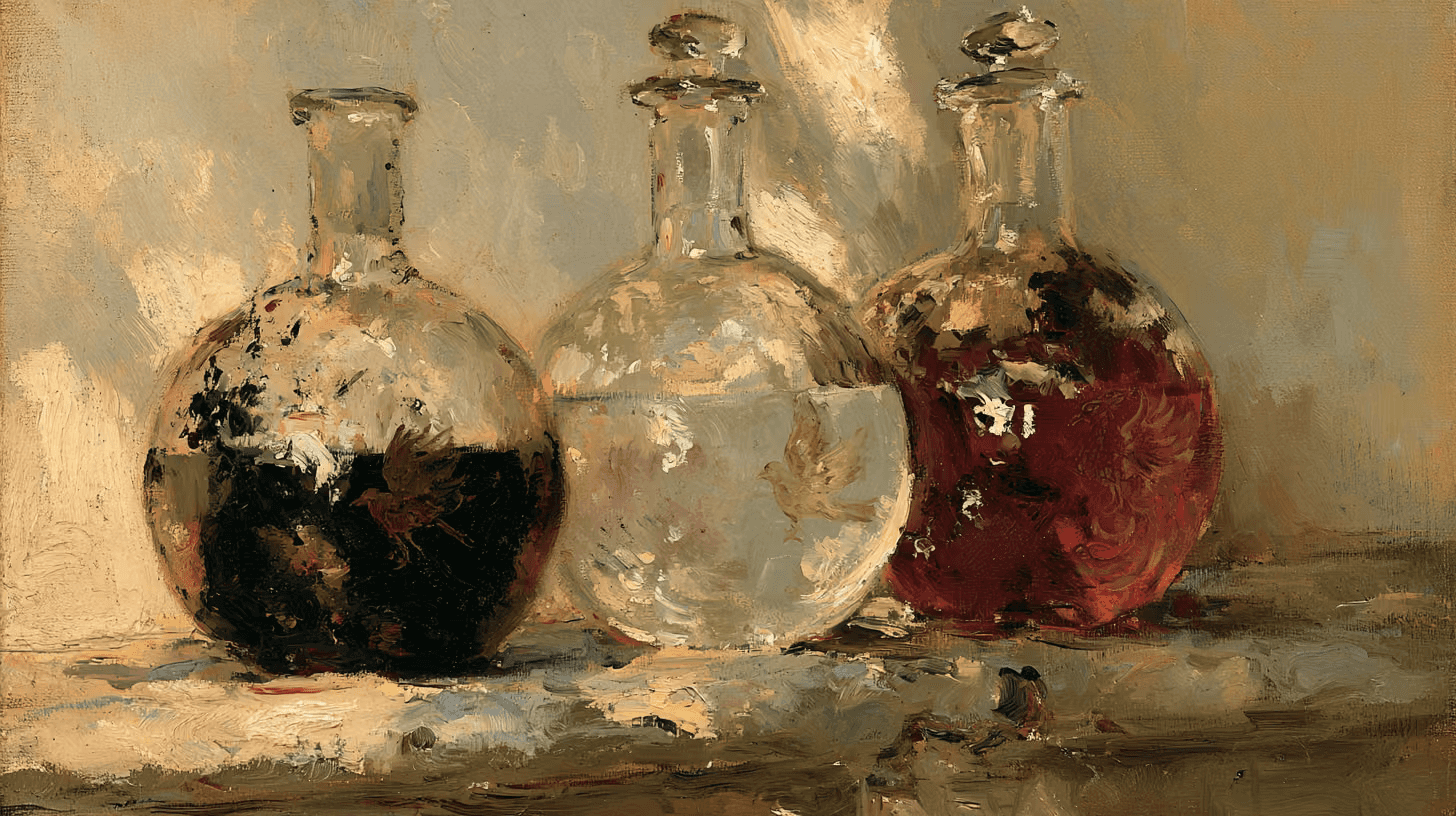
Alchemists never found the gold, but Jung found something in their riddles: a map of inner transformation, from the dark night to the union of opposites.
Lead Into Gold
Most people know alchemy for one dream: turning lead into gold. For centuries, alchemists worked over furnaces and glass flasks trying to make it happen.
They never found the gold, but they found plenty else. Distillation, new pigments, and purer metals all came out of their workshops, and modern chemistry grew from what they started. Even Isaac Newton spent years on it.
As Above, So Below
Alchemy took shape in Egypt, where Greek philosophy met Egyptian skill with metals, dyes, and embalming. From the start, it treated matter and spirit as one subject.
Its most famous saying, "as above, so below," sums up the idea. The outer world and the inner world mirror each other, so changing one changes the other.
Written in Riddles
The key to the work was the philosophers’ stone, a substance said to transform anything it touched. Alchemists believed its raw material hid in the lowest places, in rot, ash, and waste. "In filth it will be found," as one of their sayings goes.
They wrote about all of this in riddles and strange pictures, partly to keep their secrets and partly to avoid being burned as heretics. Read closely, many of their texts hint that the real transformation was happening in the alchemist.
What Jung Saw in the Flask
Centuries later, Carl Jung began reading these old texts and noticed something striking. Their dragons, kings and queens, and birds dying and rising again matched the dreams of his patients, people who had never read a word of alchemy.
He came to see the alchemists’ work as projection. Gazing for hours into a dark, bubbling vessel, they saw their own unconscious reflected in it, and recorded it as if it belonged to the matter.
Black, White, Red
Alchemists described the work in stages, each marked by a color. First came the nigredo, the blackening, when everything breaks down and rots. Jung saw it as the meeting with one’s shadow, a dark stretch when old certainties fall apart.
Then came the albedo, the whitening, a cleansing after the dark. Last came the rubedo, the reddening, when something new and whole appears. The stages often repeat, and most people pass through the dark more than once.
The Union of Opposites
The final step was the coniunctio, the marriage of opposites, often painted as a king and queen or the sun and moon joining as one. For Jung, this was the heart of alchemy: conscious and unconscious, light and shadow, finally brought together.
He called that wholeness the Self, and saw it as the true philosophers’ stone. The gold the alchemists chased for centuries was a picture of a person made complete.
"Transform yourselves from dead stones into living philosophical stones!" — Gerhard Dorn, 16th-century alchemist
FAQ
- What did Jung think alchemy was really about?
- Jung came to see alchemy as projection. Gazing for hours into a dark, bubbling vessel, alchemists saw their own unconscious reflected in it and recorded it as if it belonged to the matter. He noticed that their dragons, kings and queens, and dying and rising birds matched the dreams of his patients.
- What are nigredo, albedo, and rubedo?
- They are the alchemical stages, each marked by a color. The nigredo is the blackening, when everything breaks down, which Jung linked to meeting the shadow. The albedo is the whitening, a cleansing after the dark. The rubedo is the reddening, when something new and whole appears.
- What is the philosophers’ stone in Jungian terms?
- Jung saw the philosophers’ stone as the Self, the wholeness that comes when conscious and unconscious, light and shadow, are brought together. The gold the alchemists chased for centuries was a picture of a person made complete.
Related
The Language of Symbols
Symbols3 min readJung and the Tarot
Symbols4 min readWhat Is Shadow Work?
Shadow Work8 min read