The Persona Archetype

We write about shadow work, Jungian psychology, and self-discovery.
The version of you that other people meet is not the whole of you. Jung called it the persona. Here is what it is, where it forms, and how to wear it consciously.
The Face We Don't Show
Jung liked to describe self-examination as looking into still water. The first thing you see is your own reflection, and the reflection doesn't flatter. It shows the face most people keep hidden from others, the one we cover with what Jung called the persona.
The Mask We Wear in Public
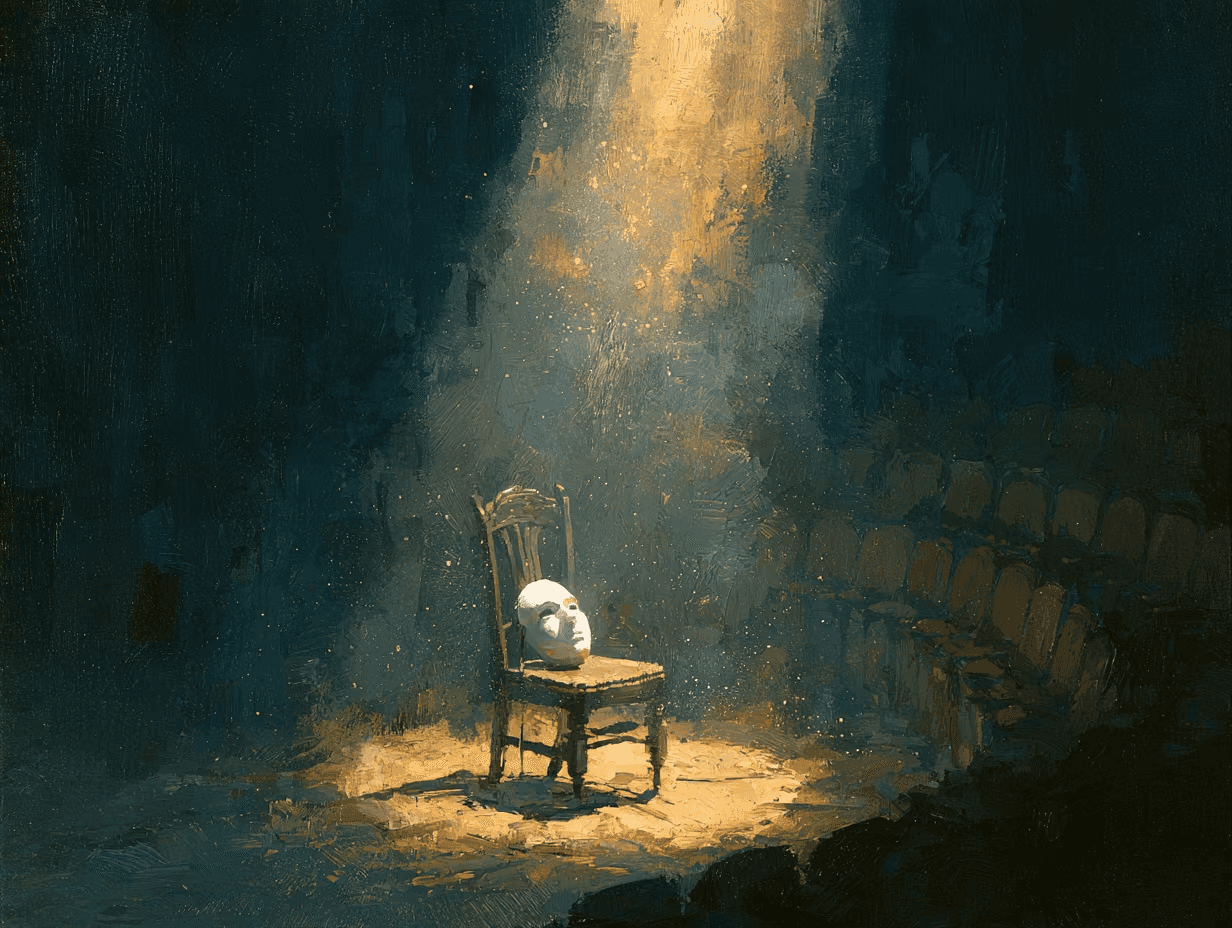
Persona was originally a theater term. It meant the mask an actor wore to show which character he was playing. Jung used it for the self we present to other people.
It stands between our inner life and society, and we wear different versions of it in different settings. There's nothing wrong with that. It's how we handle our roles and get along with the people around us.
Where the Mask Forms
The persona starts forming in childhood. Children work out quickly which behaviors get approval and which get punished, so they build the approved traits into the mask and keep the rest hidden.
A child called rude for being direct might learn to stay quiet. One who learns that conflict is dangerous might become agreeable to the point of being taken advantage of.
Hiding Behind It
There's always some pretense in a persona. It works like a shop window, where we display what we want others to see and keep the rest out of view, especially the parts that feel weak or unacceptable.
Used this way, the mask becomes a hiding place. The longer you present a self you've arranged for other people, the more of the real one gets pushed down into the shadow, and the harder it becomes to reach.
Disappearing Into It
The opposite problem is forgetting it's a mask at all. The role stops being something you do and becomes the whole of who you are.
The doctor who insists on being called doctor at a casual social dinner. Or when a veteran continues to use their old title, they are communicating to the civilian world exactly how they want to be perceived.
Wearing It Consciously
You can't become whole while the mask is either a hiding place or your entire identity.
The alternative is what Jung called restoration: developing a persona you stay aware of, one that doesn’t conceal who you actually are. You still need a mask to function in the world. What changes is that you know you’re wearing it.
"The aim of individuation is nothing less than to divest the self of the false wrappings of the persona." — C.G. Jung
FAQ
- What is the persona in Jungian psychology?
- The persona is the self we present to other people. The word was originally a theater term for the mask an actor wore, and Jung used it for the mask we wear in public. It stands between our inner life and society.
- Is having a persona a bad thing?
- No. We wear different versions of it in different settings, and it's how we handle our roles and get along with the people around us. The problems come when the mask becomes a hiding place, or when we forget it's a mask at all.
- How does the persona form?
- It starts forming in childhood. Children work out quickly which behaviors get approval and which get punished, so they build the approved traits into the mask and keep the rest hidden.
Related
What Are Jungian Archetypes?
Jungian Psychology7 min readThe Shadow Archetype
Jungian Psychology4 min readThe Anima and Animus
Jungian Psychology4 min read