What Are Jungian Archetypes?

We write about shadow work, Jungian psychology, and self-discovery.
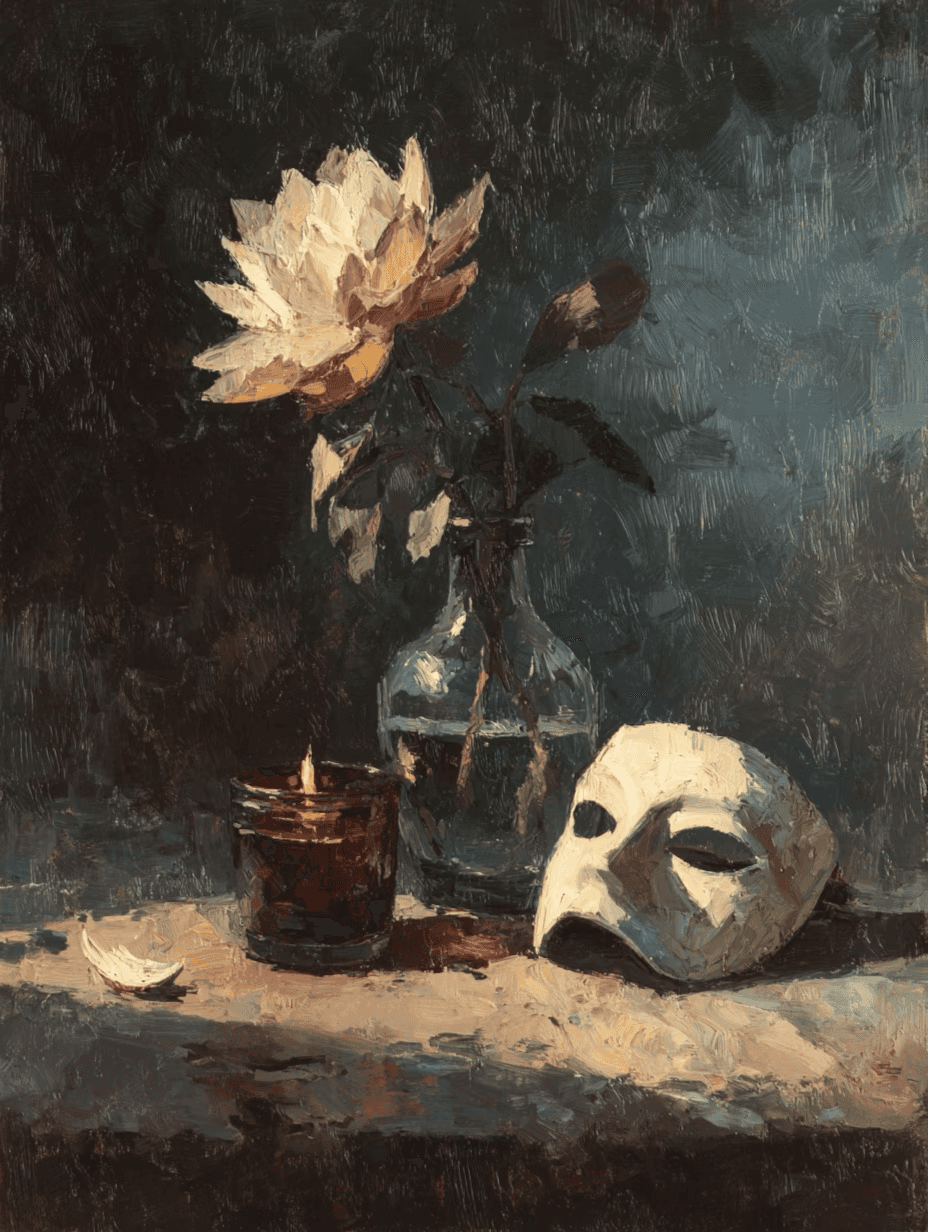
Jung believed you are not born a blank slate. You arrive already shaped by patterns older than you are, and learning to read them expands who you can become.
The Mind We're Born With
For most of modern history, the newborn mind has been imagined as a blank slate, waiting for the world to write on it. Jung saw it differently. He believed we arrive already shaped, carrying inherited patterns that color how we take in everything that follows.
These patterns do not only belong to you. They belong to everyone who has ever lived, and Jung called them archetypes.
The Patterns That Repeat
Jung spent years studying the myths and religions of cultures around the world, both past and present. He noticed that traditions with absolutely no contact between them kept returning to the same themes, the same symbols, and the same basic shapes of story.
What struck him most was how these exact same images turned up elsewhere. These motifs surfaced regularly in the dreams and fantasies of patients who had never encountered the myths that mirrored them. The psyche, he concluded, is clearly not just the product of personal experience.
The Deepest Layer
Not everything inside you is something you put there. Some of it you were simply handed.
Jung viewed the mind in layers. Near the surface is what you are aware of right now. Below that sit your own buried experiences, meaning the things you have forgotten or pushed down. Beneath even those memories lies a layer that was never personal to begin with, which he called the collective unconscious. This layer is identical in everyone, and it is where the archetypes live.
Organs of the Psyche
It can be difficult to picture something that is both inherited and invisible. Fortunately, Jung's student Erich Neumann offered a helpful way to understand it. Just as the body grows physical organs before birth to give it structure and keep it alive, the mind has psychic organs that give it form. The archetypes are those organs.
Like the organs of the body, they mostly do their work without our conscious noticing. Neumann argued that a sound mind depends on these psychological organs the same way the body depends on its own. When they are injured, the consequences run deep.
Known Only Through Symbols
An archetype cannot be directly observed. We only know it exists by what it produces in us, specifically the symbolic images that surface in dreams, myths, and religious traditions.
Becoming Conscious
Jung believed that archetypes shape every single life, whether or not a person ever notices them. By paying attention to the symbols they send up, you can slowly become aware of these automatic patterns in your life.
He called this process an expansion of consciousness, and he placed enormous weight on it. Living well, to him, meant slowly bringing what lies underneath up into the light.
"As far as we can discern, the sole purpose of human existence is to kindle a light in the darkness of mere being." — Carl Jung
FAQ
- What are Jungian archetypes?
- Archetypes are inherited, universal patterns that shape how all human beings perceive and respond to the world. They do not belong to you alone; instead, they form a shared psychological foundation.
- What is the collective unconscious?
- The collective unconscious is the deepest, impersonal layer of the human psyche. It is identical in everyone, serving as the evolutionary database where all archetypes reside.
- How do archetypes show up in daily life?
- You can tell an archetype is active by the specific things it produces in your life. This includes symbolic images in your dreams, a sudden attraction to certain cultural myths, and repeating patterns in your personal behavior.
Related
What Is Shadow Work?
Shadow Work8 min read5 Best Shadow Work Apps in 2026
Shadow Work11 min readWhat Your Dreams Are Trying to Tell You
Dreams7 min read