The Shadow Archetype

We write about shadow work, Jungian psychology, and self-discovery.
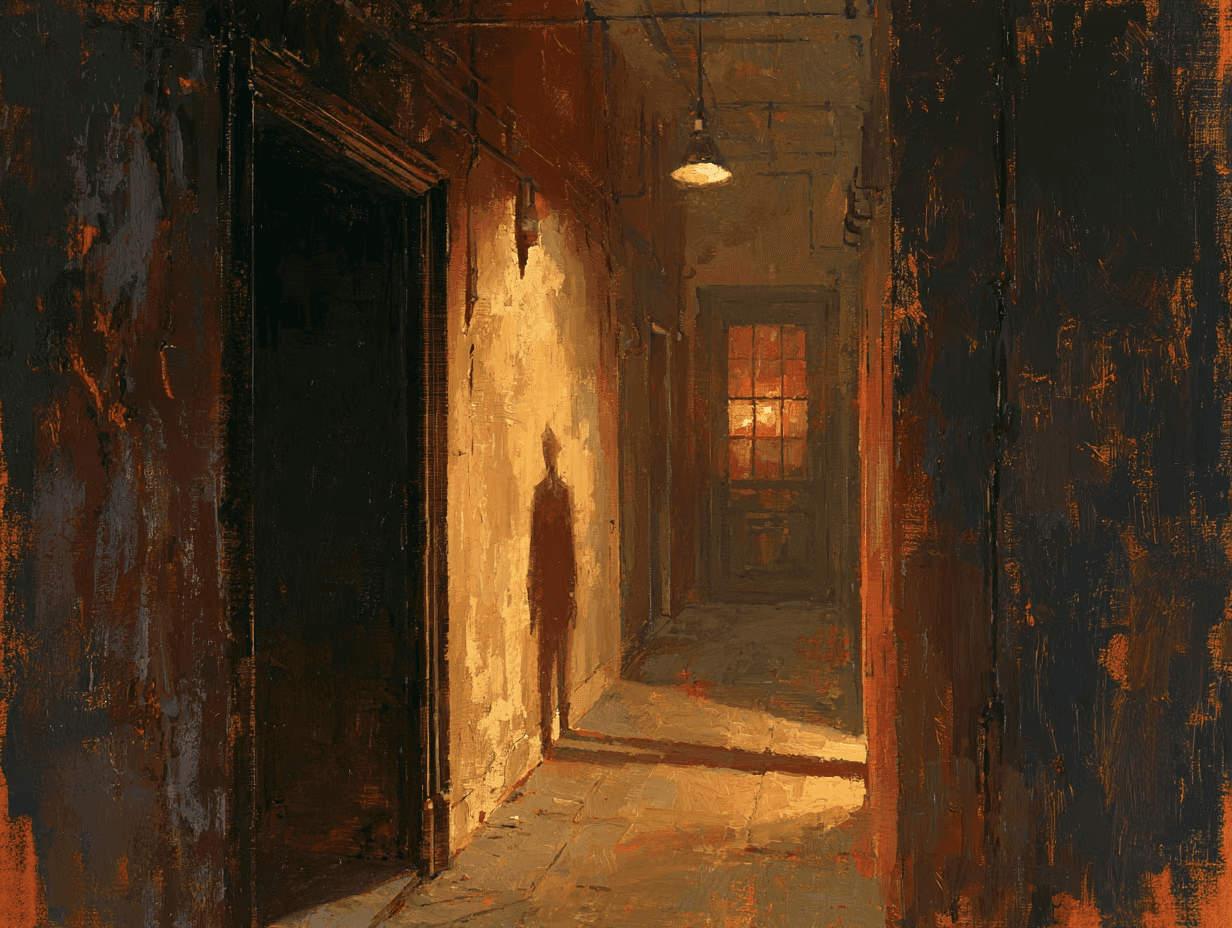
The shadow rarely announces itself, but it shows in how we react to other people. Here is how it leaks out, how we project it, and why facing it starts with you.
The Part We Don't Want to Be
Everyone has a side they'd rather not look at. Jung called it the shadow: the parts of ourselves we've judged as weak or unacceptable and pushed out of sight, even from ourselves. He described it plainly as the thing a person has no wish to be.
The less of it we're willing to face, the heavier it gets. An inferiority you can admit to, you have some chance of working on. One you've buried just sits there, and tends to break out when you least expect it.
We See It in Other People
The shadow rarely announces itself. It tends to leak out under pressure, when you're anxious or angry or a few drinks in, and a hostile remark slips out in the middle of a friendly conversation.
More often it shows up as projection. The traits we can't stand to own, we notice and condemn in other people. What irritates us most about someone else is often the thing we haven't admitted about ourselves.
Facing It
The shadow isn't only the ugly parts. Buried in it are real strengths that got disowned along the way. A person taught that standing up for himself was rude might bury his confidence with it, and spend years unable to speak up or ask for what he's owed.
Bringing those parts back is slow work. You do it by watching your own reactions honestly and paying attention to what surfaces in your dreams.
The Shadow of a Society
The same thing happens at scale. A society has a shadow too, made of everything it refuses to see about itself. It shows up in violence and oppression, but also in quieter forms, like denying present suffering or refusing responsibility for harm already done.
Jung pointed to Nazi Germany as the extreme case. Ordinary people did things they could never have imagined doing alone, swept into a darkness none of them would own. The personal shadow turned out to be the doorway to the collective one.
Why It Starts With You
This is why the inner work reaches past you. Someone who has never faced his own shadow is the easiest to sweep into a crowd's. Do that work first and you become harder to pull into someone else's denial.
Jung saw facing your own darkness as a service to the people around you. The courage to carry it frees them from having to carry it for you. Telling the truth, however painful, is how a person, or a country, stops repeating the same harm.
"There is no light without shadow and no psychic wholeness without imperfection." — C.G. Jung
FAQ
- What is the shadow in Jungian psychology?
- The shadow is the parts of ourselves we've judged as weak or unacceptable and pushed out of sight, even from ourselves. Jung described it plainly as the thing a person has no wish to be.
- What is shadow projection?
- It is when we notice and condemn in other people the traits we can't stand to own. What irritates us most about someone else is often the thing we haven't admitted about ourselves.
- Is the shadow only negative?
- No. The shadow isn't only the ugly parts. Buried in it are real strengths that got disowned along the way, such as confidence that was buried because standing up for yourself was called rude.
Related
What Are Jungian Archetypes?
Jungian Psychology7 min readThe Persona Archetype
Jungian Psychology4 min readThe Anima and Animus
Jungian Psychology4 min read